Can You Put a Dog Door in a Brick Wall?
Yes, you can put a dog door in a brick wall, but the opening needs careful planning and the door must suit the wall's full thickness. Check the wall structure, utilities, pet size, and door instructions before cutting.
On this page (7 sections)
- Can you put a dog door in a brick wall safely?
- What should you check before choosing a wall dog door?
- How do you plan the opening in brick?
- Can you install a wall dog door yourself?
- How can you reduce drafts around a brick wall dog door?
- What should you do after installation?
- Which wall dog door should you choose for brick?
Yes, you can put a dog door in a brick wall, but the opening needs careful planning and a door made for wall installation. Check the wall construction, finished thickness, utilities, and your dog's size before cutting.
Brick walls vary. Some have brick veneer over a framed wall, while others use masonry as part of the structure.
The right installation approach depends on what is behind the brick, so get qualified help if you aren't sure.
Can you put a dog door in a brick wall safely?
Yes, if the opening can be placed without damaging the wall's structure or hidden utilities. Before cutting, identify whether the wall is structural, where wiring and plumbing run, and what materials make up the full wall.
A dog door opening removes material from more than the visible brick. The cut may also pass through sheathing, insulation, studs, or interior finishes.
Don't assume a spot is clear just because there is no outlet or pipe on the other side.
Ask a qualified mason or installer to assess the wall if you can't confirm its construction or locate utilities. For a broader look at wall-entry models and materials, see our guide to wall dog doors.
What should you check before choosing a wall dog door?
Measure the finished wall thickness and your dog's passage space first. The tunnel must span the wall, and the flap opening must give your dog room to pass comfortably.
Measure from the outside brick face to the finished interior wall surface. Include any trim, framing, sheathing, or other layers that affect the opening and tunnel depth.
Then measure your dog and compare those figures with the flap opening, not just the frame. Our dog door measuring guide explains how to check your pet's height and width.
Which wall tunnel range fits brick?
Choose a tunnel range that includes the full finished thickness of your wall. The three large wall-entry options below cover different ranges, so take the measurement before picking a model.
These ranges alone don't mean a door will suit every brick wall. Confirm the cutout size and installation requirements for the exact model, and check whether a separate extension is needed if the wall is thicker than its tunnel allows.
How do you plan the opening in brick?
Use the door's cutout dimensions and choose a location only after checking the wall. A frame size is not the same as the opening size, so don't trace around the outer frame.
Mark the intended height for your dog, then review the template and instructions before making any cut. Check both sides of the wall for obstructions and make sure there is enough clear space outside and inside for the frame and flap.
Don't cut into brick or masonry until you understand how the wall is built and what tools the job requires. For a structural wall, uncertain utilities, or a large opening, contact a qualified professional to plan and make the cut.
Can you install a wall dog door yourself?
Some wall-entry models include templates and step-by-step instructions, but brick work may still call for a professional. A DIY label doesn't tell you whether your particular wall is safe or simple to cut.
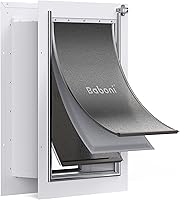
Baboni and PetSafe describe their doors as DIY installs with a cutting template and instructions. Decormax also includes a template and installation instructions.
Those features help with layout, but they don't replace a check of the wall itself.
A mason or experienced installer can help assess the opening and fit the tunnel through the wall layers. If you hire someone, share the model's cutout dimensions and tunnel range before work begins.
How can you reduce drafts around a brick wall dog door?
Use a door with a flap and closing panel that suit your climate, then follow its installation instructions for fitting and sealing. A tunnel that doesn't match the wall thickness can leave gaps or prevent proper assembly.
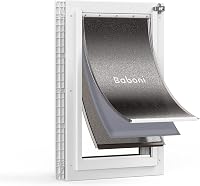
The Baboni large door has three flaps and a metal closing panel. PetSafe uses a double flap and a slide-in closing panel, while Decormax has double flaps and two sliding lock panels.
Those features don't guarantee a draft-free installation. Fit the frame as directed and use appropriate materials for the wall and door instructions; don't block drainage or interfere with the flap.
What should you do after installation?
Check that the frame is secure, the flap moves freely, and the tunnel fits the finished wall. Test the closing panel, and inspect both sides for gaps that may need attention.
Introduce the door gradually if your dog is unsure. Keep the closing panel in place when you want to limit access, and check the fit periodically for movement or damage.
The cost depends on the door, wall construction, and whether you hire a professional. Our guide to dog door purchase and installation costs covers the factors that can change the total.
Which wall dog door should you choose for brick?
For a brick wall, choose by finished thickness, flap opening, and installation needs. Baboni and PetSafe suit a 4 3/4 to 7 1/4 in wall range; Decormax covers 4 to 8 in.
If your wall is structural or its layers and utilities are unclear, get a professional assessment before cutting. Once you have the wall measurements and a safe location, compare wall dog doors for different exterior materials and confirm the model's cutout instructions.
Frequently asked questions
Can you install a dog door through a brick wall?
Yes, a wall-entry pet door can fit through a brick wall if its tunnel suits the finished wall thickness and the opening is planned safely. Brick veneer, structural masonry, and interior finishes need different considerations.
Locate utilities and ask a qualified mason or installer if you are unsure what the wall supports.
Is it hard to cut a dog door opening in brick?
It can be a demanding job because the opening may pass through brick, mortar, and inner wall materials. The right method depends on the wall construction and the door's cutout dimensions.
Check the instructions and get a qualified installer if you lack the tools or experience to make a neat, safe opening.
How thick can a dog door wall tunnel be?
It depends on the door. The Baboni and PetSafe large models cover walls 4 3/4 to 7 1/4 inches thick, while the Decormax large model covers 4 to 8 inches.
Measure the full finished wall, including interior layers, and confirm compatibility before choosing.
Do dog doors in brick walls let in drafts?
They can, so compare the door's flap design and closing panel, then seal the frame as its instructions direct. The Baboni uses three flaps, while the PetSafe and Decormax models use two.
A well-fitted tunnel and careful installation matter alongside the flap count.