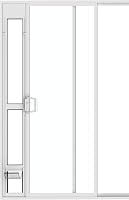
Can You Put a Dog Door in a French Door?
Yes, a dog door can go in some French doors, but the right method depends on the glass, frame, and door design. Check with a qualified glazier before changing a glass panel.
On this page (5 sections)
Yes, you can put a dog door in some French doors, but the method depends on the glass, frame, and door design. Ask a qualified glazier or door professional to inspect the door before changing a glass panel.
A French door may have one or more glass panels held in a frame. The glass type and the way the door is built affect whether a pet opening can be added safely.
Don't assume a standard flap can be cut into the existing pane.
If you want to avoid altering the French door, consider a pet door in a nearby wall or a suitable insert in another opening. First compare the available space, your dog's size, and how you want to control access.
Can you put a dog door in a French door?
Possibly, but a professional needs to assess the glass and door construction first. The safest option depends on what kind of glass is installed and whether a replacement pane can be made to fit the door with a pet opening.
Don't cut the glass yourself or buy a door based only on its flap size. Ask a glazier or door professional about the panel, frame, and installation options.
If the door is rented or part of a shared building, check the applicable permission requirements before arranging changes.
For a broader look at glass-door considerations, read whether a dog door can be installed in a glass door. French doors have their own frame and panel details, so advice for another glass door may not apply to yours.
What should you check before choosing an installation?
Check the glass, frame, clear opening, and your dog's measurements before choosing a pet door. These details help you avoid a flap that won't fit the door or work for your pet.
Ask a professional to identify the glass and advise whether a replacement panel is an option. Also check whether the door has space for the frame and whether any muntins or other frame parts cross the area where an opening might go.
Measure your dog while standing naturally, including its shoulder height and the widest part of its body. Then compare those measurements with the flap opening, not just the outer frame.
The steps in how to measure your dog and door for a pet door can help you prepare.
Can you fit a pet door without cutting the glass?
Yes, if another suitable route is available, such as a nearby wall or a different doorway. The right alternative depends on your home layout and the access point your dog needs.
A wall-mounted door keeps the French door intact, but installation involves cutting through a wall. Before choosing that route, check the wall construction and have a qualified professional locate anything hidden in it.
The PetSafe Wall Entry Telescoping Pet Door has a medium flap opening of 8 1/4 x 12 1/4 in and is sized for dogs up to 40 lb. Its tunnel fits walls from 4 3/4 to 7 1/4 in thick; compatible extension kits are sold separately for thicker walls.
This can suit you if a wall near the French doors leads to the area your dog uses. Check the wall thickness and location first, and make sure the opening won't interfere with wiring, plumbing, or other building features.
What alternatives work if the French door must stay intact?
A different doorway or wall may offer a simpler route than changing the French door glass. Choose based on the opening you have, how much work it needs, and whether it gives your dog practical access.
A pet door for a suitable hinged door is one option if another door reaches the right area. The Baboni medium door has a 3-flap design and a telescoping tunnel for doors 1 3/8 to 1 31/32 in thick.
Its flap opening is 8 1/4 x 12 1/4 in, and it is designed for pets up to 40 lb. The door cutout is 9 19/32 x 15 1/16 in, so check the measurements and door construction before deciding where it can go.
If your home has a suitable sliding glass door, an insert may avoid cutting a glass panel. Compare the clearance, fit, and how you secure the opening in our guide to sliding glass dog door inserts.
An insert is only useful if your door and available space suit that style.
Can a sash-window pet door work nearby?
It may work in a compatible sash window, but its window dimensions and placement need to fit your home. It isn't a French door solution, so consider it only if a suitable window provides the access your pet needs.
The Ideal Pet Products Aluminum Sash Window Pet Door has a 10 1/2 x 15 in flap and is recommended for pets weighing 36 to 90 lb. Its frame adjusts from 27 to 32 in wide, and it includes a lock-out slide.
Measure the window and check how it opens before considering this model. A window route may not be convenient if it is high, hard to reach, or far from the area where your dog needs to go.
How do you decide which route fits your home?
Choose a glass-panel installation only after a professional confirms a suitable method. If you want to keep the French door unchanged, compare another door, a compatible sliding-door insert, a sash window, or a wall.
A wall entry can work when the wall is suitable and the tunnel fits its thickness. A door flap needs a compatible door and enough clear area for the required cutout.
A window model needs a sash window that matches its size range.
For help comparing styles before you settle on a route, see how to choose a dog door. Measure the installation area and your pet first, then match those facts to the door or window option.
Can you put a dog door in a French door without damaging it?
Not by cutting into the existing glass without assessing the panel first. If preserving the door matters, look at alternatives that use a different opening or a professionally planned replacement panel.
A glazier can explain whether the glass can be replaced with a panel made for a pet opening. A wall or nearby compatible door can keep the French door intact, though each route has its own measurements and installation needs.
For French doors, start with a professional assessment of the glass and frame. Choose another route if the panel isn't suitable, and use the glass-door installation guide to compare the questions to ask before proceeding.
Frequently asked questions
Can you cut a dog door into a French door?
Sometimes, but don't cut a French door's glass without professional guidance. Glass type, pane size, and door construction affect whether a pet opening is possible.
Ask a glazier or door professional to inspect the door and explain a suitable installation method before ordering a flap.
Can you put a dog door in a double-pane French door?
A double-pane glass unit needs a suitable pet-door solution designed around that glazing. Cutting the installed panel can compromise its construction, so ask a glazier whether a replacement panel with a pet opening is possible for your door.
Confirm the frame and opening dimensions before choosing a door.
What can I use if I don't want to cut French door glass?
Consider a pet door in a nearby wall or a compatible insert in another doorway. A wall door requires checking the wall and utilities, while an insert needs a suitable opening and enough clearance.
Measure first and compare the trade-offs with your household's access needs.
How do I choose the right size dog door?
Measure your dog's height and width, then check the flap opening and the installation area's dimensions. Your dog should pass through without crouching or squeezing.
Our guide to measuring your dog and door explains the measurements to take before you choose a model.