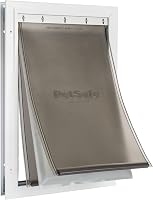
Do Dog Doors Let Bugs In? What Helps Keep Them Out
Yes, bugs can enter through a dog door if its flap doesn't close tightly, the frame has gaps, or insects follow your pet inside. A snug fit, working seals, and regular checks can help reduce entry.
On this page (9 sections)
- Do dog doors let bugs in?
- Can mice get through a dog door?
- What parts of a dog door should you inspect?
- How can you reduce bugs around the opening?
- Do three-flap doors help keep bugs out?
- Can selective access keep animals from entering?
- Does a microchip flap help with bugs or mice?
- What should you do if bugs keep appearing indoors?
- Which dog door features help with unwanted entry?
Yes, dog doors can let bugs in when the flap doesn't close fully, the frame has gaps, or insects follow your pet through. A snug installation, a flap that returns to its frame, and sensible access controls can reduce the chance.
A pet door is still an opening to the outdoors. The goal is to help it close reliably and avoid attracting insects near it, while keeping a safe route for your pet.
Do dog doors let bugs in?
They can, especially when the flap stays ajar or leaves a gap at the edge. Small insects may fit through openings that don't seem large enough to notice at a glance.
A door that closes after your dog passes can still allow an insect to follow closely behind. Flaps can also shift in wind, collect dirt along the edges, or fail to sit flat if the frame was installed unevenly.
Check the full perimeter with the door closed. Look at the flap, frame, tunnel, and the area where the frame meets the house door or wall.
For other problems caused by gaps, see whether dog doors let in cold air. The same loose fit that allows drafts can also leave a path for pests.
Can mice get through a dog door?
A mouse could get through a pet door if the opening is accessible and its flap or lock doesn't stop entry. The chance depends on the opening, how well the flap closes, and whether the door is left available when the pet is inside.
Don't assume a flap designed for a dog will keep out every small animal. If you see droppings, gnaw marks, or other signs of rodents, address the entry points and food sources around the home as well as the pet door.
A lock can limit access at night or when you're away. Our guide to how to lock a dog door explains common ways to manage access.
What parts of a dog door should you inspect?
Inspect the flap edges, closure, frame, and surrounding cutout. These are the spots where poor alignment, wear, or installation gaps can create an opening.
Close the flap and check whether it rests against the frame all the way around. Look for dirt, bent edges, cracked material, loose fasteners, or a frame that moves when you touch it.
Check the seal where the pet door meets the human door or wall. If the perimeter has a visible gap, follow the product's installation instructions to identify an appropriate repair or adjustment.
A flap that swings in the breeze may need an adjustment or a different access routine. See how to keep a dog door from blowing open for wind-related checks.
How can you reduce bugs around the opening?
Keep the flap area clean, reduce insect attractants nearby, and limit access when your pet is indoors. These steps help even when the door itself closes properly.
Brush dirt and loose debris from the flap edges and frame. If the flap is damaged or warped, check whether its maker offers a compatible replacement part.
Move pet food, water bowls, trash, and compost away from the entrance when practical. Avoid leaving lights on right beside the opening if they draw insects toward it.
A screen or barrier may help in some setups, but it must not trap, injure, or block your pet. Don't add anything that prevents the flap from closing or creates a hazard for an animal using the door.
Do three-flap doors help keep bugs out?
Multiple flaps may reduce the time an opening stays exposed, but they don't make a door pest-proof. Fit and closure still matter, and a pet may bring insects inside while passing through.
The Baboni 3-Flap Plastic Dog Door, Medium has two vinyl flaps with magnetic closures and an insulated middle flap. Its opening is 8 1/4 x 12 1/4 in, and it's designed for pets up to 40 lb.
Choose this style if your pet fits the opening and you want multiple layers between indoors and outdoors. Measure your pet and door before installing; the cutout is 9 19/32 x 15 1/16 in.
Can selective access keep animals from entering?
Selective access can restrict which pets can use a door, but it doesn't stop insects from following an authorized pet inside. It can help with unwanted animals when the door supports the access method your pet can use.
The PetSafe Electronic Collar Key Pet Door offers programmable entry, exit, and auto-locking options. It works with a key worn on your pet's collar and can be programmed for up to 5 keys.
This may suit a home where controlling animal access matters more than having a basic flap. It requires 4 D-cell batteries, which aren't included, and is designed for door installation; wall installation requires a separate kit.
Does a microchip flap help with bugs or mice?
A microchip flap can control which pets enter, but it won't block insects that follow your pet through. Its main use is restricting access for animals without a recognized identity.
The SureFlap Microchip Cat Flap reads a cat's implanted ID on entry and can learn up to 32 identities. Its opening is 4 3/4 x 5 5/8 in, so check that size against your cat before choosing it.
It may fit a home that needs selective cat access, but the small opening is for cats rather than dogs. The unit runs on 4 AA alkaline batteries, which aren't included.
If you need a dog door, compare the options in our guide to choosing a dog door. Match the opening and access method to your pet before buying.
What should you do if bugs keep appearing indoors?
First check whether the pet door closes and seals, then look for other nearby entry points. Bugs may come through a window, screen, vent, or another gap instead.
Watch the flap after your pet passes through. If it doesn't close, check for dirt or damage and follow the door's instructions for adjustments or replacement parts.
If the frame has a gap, use a repair method suited to the door material and installation. For persistent pests, identify the insect and consider local pest-control guidance instead of relying on a pet-door flap alone.
Which dog door features help with unwanted entry?
A well-fitted flap that closes fully is the first thing to look for. Choose a layered or selective-access design when those features match your pet and household, then inspect the installation and keep the area clear of attractants.
The Baboni's layered flaps may suit a medium pet that fits its opening. The PetSafe offers collar-key access for households that need programmable entry, while SureFlap is a smaller cat flap that recognizes microchips.
No flap promises a bugproof home. If you spot repeated entry, check the full frame and nearby openings, and use dog-door locking options to limit access when your pet is inside.
Frequently asked questions
Do dog doors let bugs in?
Yes, bugs can get through a dog door when the flap stays open, doesn't meet its frame, or has gaps around the installation. A pet can also carry insects inside.
Check the flap and surrounding frame, keep nearby lights and food from drawing insects toward the opening, and close or lock the door when pets don't need access.
Can mice get through a dog door?
A mouse may enter through a pet door if the opening is accessible and the flap doesn't close or lock securely. The risk depends on the door's size, fit, and access settings.
Inspect the flap and frame, remove food sources nearby, and use a lock or selective access feature when practical.
Do magnetic dog door flaps keep bugs out?
A magnetic closure can help a flap return toward the frame, but it doesn't guarantee a bugproof seal. Check that the flap closes after your pet passes and that no gaps remain around the edges or frame.
Dirt, wear, wind, and a poor installation can affect how it sits.
How can I stop bugs from coming through a dog door?
Start by checking that the flap closes fully and the frame has no gaps. Clean the edges, repair worn parts, and limit access when your pet is indoors.
Keep food and standing water away from the opening, and use screens or other pest controls only if they don't block or endanger your pet.