How to Lock a Dog Door at Night or When Away
To lock a dog door, close it with the door's fitted cover or locking panel, then check that your pet cannot push through it. For a door that needs scheduled access, consider a compatible automatic model with a locked mode.
On this page (6 sections)
To lock a dog door, fit its matching closing panel or cover over the opening, then check that your pet cannot push it aside. If you want to control access on a schedule, an automatic door with a locked mode is another option.
First, check the pet door's brand, model, and size. A cover that fits one door may not fit another, even when both are described as large.
How do you lock a dog door with a closing panel?
Use the panel made for your pet door and secure it as its instructions show. Many covers snap or slide into place to block the opening.
Before closing it, bring your dog inside and make sure no pet is on the other side. Check the panel's edges and attachment points, then gently test whether it moves when pressed.
A panel is useful when you want to limit access at night or while away. It does not replace locking your home's main doors.
The PetSafe Snap-On Closing Panel, Large, is described as fitting the Plastic Pet Door, Extreme Weather Pet Door, and Panel Pet Door Insert. Confirm your door is one of those models before choosing it.
For help choosing a door style in the first place, see how to choose a dog door. If you're still comparing flap designs, our door flap guide covers common options.
Can you use a panel from a different brand?
Don't assume a closing panel is interchangeable across brands. Check the exact compatibility details for both the panel and the installed pet door.
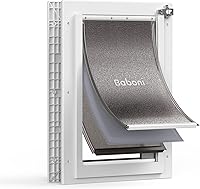
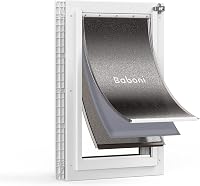
The Baboni Metal Closing Panel, Large, is made for a Baboni large pet door for a wall. Baboni says its cover is aluminum and rust-proof; its compatibility is limited to its own door.
Measure the installed opening and compare it with the panel's stated dimensions. A close match is not enough if the attachment points or door model differ.
If you're considering a wall opening, start with best wall dog doors for siding, stucco, and brick. For advice on measuring your current opening and your dog, use how to measure for a dog door.
What if you have a medium PetSafe door?
Choose a cover identified for your specific medium PetSafe door model. The PetSafe Closing Panel, Medium, fits several named PetSafe doors, including the Freedom Aluminum Pet Door, Wall Entry Pet Door, Sliding Glass Pet Door, and Extreme Weather Sliding Glass Pet Door.
The medium panel measures 8¾ x 14¼ in. Check your door model and opening before buying, since size alone does not confirm fit.
A sliding glass insert may need a different solution from a flap installed in a regular door. Compare sliding glass dog door inserts if you want a removable insert rather than a closing panel.
When does an automatic door make sense?
Consider an automatic door if you need to control entry and exit without fitting a manual cover each time. Check its modes, required collar, power options, and installation type against your routine.
The Power Pet DeadBolt Automatic Pet Door, Large, is operated with a genuine High Tech Pet MS-5 ultrasonic collar. Its control panel offers In Only, Out Only, In & Out, and Locked modes, and it includes an AC adapter.
This option involves more setup than a closing panel, and the door mount is included. The wall mount kit is sold separately, so account for that if you plan to install it in a wall.
Read how electronic dog doors work to understand collar-operated access. If you want a model that opens for a pet's microchip, compare automatic dog doors.
How should you lock the dog door when you're away?
Close the pet door before leaving if your dog does not need outside access while you're gone. Bring your pet inside, fit the cover, and check that it stays put.
If your dog needs access during the day, consider a controlled door and make a plan for supervision, water, and shelter. No pet door can replace checking that your dog is safe at home.
For a manual cover, check the fit again after cleaning or moving it. If wind tends to move the flap, see how to keep a dog door from blowing open.
How do you choose the right way to lock it?
Pick a matching closing panel if you only need to block the opening at certain times. Choose an automatic door with a locked mode if you want to switch access settings from its controls.
For PetSafe doors, match the cover to the named model and size. For a Baboni wall door, use the panel made for that model and size.
If you're preparing the door for cold weather as well, read how to winterize a dog door. The right choice is the one that fits your installed door and works with your pet's schedule.
Frequently asked questions
Can a doggy door be locked?
Yes. Many dog doors use a fitted cover or closing panel to block the opening, while some automatic doors offer a locked mode.
Check the door's instructions and use a panel made for its brand and model; a cover that does not fit may leave a gap or fail to stay in place.
How do I lock a dog door at night?
Use the door's fitted closing panel before bedtime, and make sure your dog is indoors if you plan to keep the opening closed. Check that the cover is secure and that the flap cannot be pushed aside.
If your dog needs late access, a door with timed or controlled modes may suit your routine.
Can I use any closing panel on my pet door?
No. Closing panels are often made for specific door brands, models, or sizes.
Check the compatibility details and measure your existing door before choosing one.
A panel that looks close in size can still leave an opening or fail to attach securely.
Is an automatic dog door more secure?
An automatic door can limit access through modes that control when it opens, but security depends on the model and how you set it up. Read the operating instructions, keep any required collar or control device working, and still secure the home's regular doors when you leave.