Do Dog Doors Let In Cold Air? How to Stop Drafts
Yes, dog doors can let cold air in and warm air out when the flap seal is weak, damaged, or left open. Check the flap and frame, close the door when it isn't in use, and consider a multi-flap design for a drafty entry.
On this page (8 sections)
- Why do dog doors let in cold air?
- How can you reduce drafts around a dog door?
- Does a 3-flap dog door keep out all cold air?
- When should you use a closing panel?
- Can wind make a dog door feel colder?
- How do you choose a dog door for cold weather?
- What should you check if a dog door still feels drafty?
- Which dog door changes help most with cold air?
Yes, dog doors can let cold air in and warm air out if the flap does not seal well or the frame has gaps. Check the flap and installation first, then close the opening when your dog does not need access.
A pet door is still an opening through an exterior wall or door. Multiple flaps, a magnetic closure, and a closing panel can help reduce drafts, but no design makes an opening airtight while pets use it.
Why do dog doors let in cold air?
Cold air usually enters through a flap that hangs open, a worn seal, or a gap around the frame. Wind can also push a loose flap aside, while frequent trips give outside air more chances to enter.
Look at the flap from indoors and outdoors. It should return to its closed position after your dog passes through, with no fur, dirt, or debris holding it open.
Run your hand around the frame on a cold day to check for air movement. If the draft comes from the edge rather than the flap, inspect the installation and follow the door's instructions before adjusting or resealing anything.
A dog door can also let heat escape. If the room near the opening feels cold or the heating system runs more often, the opening may be contributing to heat loss, especially when it stays open or has a poor seal.
How can you reduce drafts around a dog door?
Start by cleaning the flap edges and checking that the flap closes freely. Remove debris, check for visible damage, and make sure the door has not shifted in its frame.
If the flap is cracked, warped, or no longer closes, look for a compatible replacement part or consider a different door. Match the replacement to the model and opening, and follow the manufacturer's installation directions.
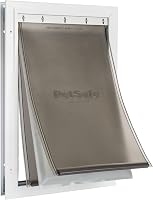
For a door that seals but still feels drafty, a multi-flap design may help. The PetSafe Extreme Weather Aluminum Dog Door has 3 flexible flaps and a magnetic seal; PetSafe says its flaps block 3 times more thermal energy than a standard pet door.
This model is made for exterior doors 1.5 to 2 in thick and includes a slide-in closing panel. Measure your door and pet before choosing a size, and review our guide to measuring for a dog door.
A wall installation has different fit needs than a door installation. The VOSOIR wall dog door has 3 flaps, side fur strips, and a magnetic seal at the bottom; check the wall thickness and opening size before choosing it.
For other wall-mounted options, see our guide to the best wall dog doors.
Does a 3-flap dog door keep out all cold air?
No dog door can promise that no cold air will pass through while it is in use. A multi-flap design can add barriers, but gaps, wind, wear, and the fit of the installation still affect the seal.
PetSafe describes its Extreme Weather door as blocking 3 times more thermal energy than a standard pet door. That is a brand claim, not a guarantee that your room will stay at a set temperature.
Check the flap after your dog uses it. If it remains ajar, the magnetic closure may not be meeting the frame, or the flap could be obstructed or damaged.
If the door is new and air comes through around the frame, review its installation instructions and check that it suits your door thickness. Our guide to insulated dog doors compares designs intended to help with winter drafts.
When should you use a closing panel?
Use a compatible closing panel when your dog does not need the opening. Closing it overnight, during a cold snap, or while you're away can stop the pet door from acting as an open passage.
The PetSafe Snap-On Closing Panel fits PetSafe Plastic Pet Door, Extreme Weather Pet Door, and Panel Pet Door Insert models. Confirm that your specific door is compatible before ordering.
A cover limits access, so don't close it if your pet needs to go outside. For access schedules and other locking options, read how to lock a dog door.
Can wind make a dog door feel colder?
Yes, wind can push a flap away from its frame and make drafts more noticeable. A flap that swings or blows open may need a better fit, a stronger closure, or a panel when the door is not in use.
Check the flap on a windy day and make sure it returns to its resting position. Avoid adding a homemade weight or fastener unless the door's instructions allow it, since that could interfere with your pet's use.
If wind keeps opening the flap, see how to keep a dog door from blowing open. That guide covers ways to manage a loose flap without blocking normal passage.
How do you choose a dog door for cold weather?
Choose a door that fits the installation and has a closure suited to your weather and use. Compare the number of flaps, how they seal, whether a panel is included, and whether the frame works with your door or wall.
A flap that is too large or poorly aligned can leave gaps. Measure your pet and opening before you buy, and check the product's installation requirements against the thickness and material of your entry.
If you're still deciding between a flap door, wall tunnel, or patio insert, start with how to choose a dog door. For a cold-weather shortlist, compare insulated dog doors.
What should you check if a dog door still feels drafty?
Check whether the air comes through the flap or around the frame. That distinction helps you decide whether cleaning, a replacement flap, a closing panel, or installation adjustments may help.
Inspect the flap for tears and check that it closes after each use. Look for debris along the edges and gaps where the frame meets the door or wall.
If the draft continues after basic checks, contact the door's manufacturer or a qualified installer for advice about the model and installation. Don't cover a gap in a way that blocks the flap or creates a trip hazard.
Which dog door changes help most with cold air?
A clean, well-fitting flap is the first thing to check. If the flap is intact but still allows drafts, a multi-flap model with a closure designed for your entry may help reduce air movement.
Choose PetSafe's door if you need a 3-flap model for a compatible exterior door. Consider VOSOIR if you need a wall-mounted door and its opening and wall thickness fit your project.
Use the PetSafe snap-on panel only with a compatible PetSafe door, and close it when your pet no longer needs access.
If cold weather is approaching, follow the dog door winterizing guide for seasonal checks and ways to reduce drafts.
Frequently asked questions
Do dog doors let heat out?
Yes. A gap around the frame or a flap that does not close can let warm indoor air escape while cold air comes in.
Check the seal from both sides, clear anything caught in the flap, and use a compatible closing panel when your pet does not need access.
Are 3-flap dog doors better in winter?
A 3-flap design adds layers that can help limit air movement compared with a single flap. The fit, seal, installation, and how often the door is used also matter, so check the flap edges and frame for gaps after installation.
Should I close my dog door at night?
Close or lock the dog door at night if your pet does not need to use it and the door has a suitable panel. This stops the opening from serving as an easy path for drafts, and can also limit your pet's access when you are asleep.
How do I stop a dog door from leaking air?
Inspect the flap for damage, check that it falls back into place, and look for gaps around the frame. Clean the sealing surfaces, tighten loose hardware if the instructions allow, and use a compatible closing panel when the opening is not needed.